SMS has been used to support B2C marketing for decades. High read rates and strong ROI make it an obvious choice for ensuring the right people are targeted by a brand’s message at the right time. But, while the use of text marketing has become commonplace for consumer campaigns, few industry professionals are taking advantage of it from a business-to-business perspective. Contrary to popular belief, the same benefits that make SMS marketing so appealing for a B2C audience can work wonders for a B2B campaign too. This is especially true in 2015, where thanks to recent developments and improvements made by mobile messaging specialists, SMS marketing has become even easier to implement and more engaging than ever before.
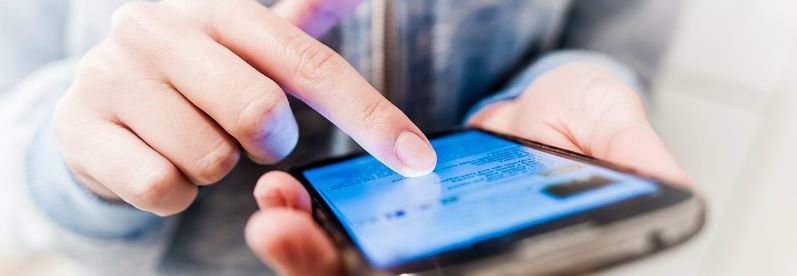
SMS is a powerful marketing tool because it readily fits into everyday life, which has led to the common view that SMS messages are more efficient than email from a marketing perspective as they’re more likely to be read. According to research by Morgan Stanley, the average American business professional is within three feet of their mobile phone at any time, and looks at their device on average 150 times a day. In 2014, the GSMA reported more than seven billion mobile subscriptions globally, and the ubiquity and reliability of the SMS platform means messages can be delivered to anybody, regardless of their handset or network. For a marketer, therefore, SMS is a way of doing in business what we often do in our private lives – send short messages to give immediate updates. However, in a business scenario, instead of letting a friend know you’re running late to meet them for lunch, SMS messages are more commonly used to let a customer know their order is out for delivery.
Until now, this is traditionally how SMS marketing has been used for B2B campaigns. Marketers have sent text updates to their customers with critical announcements or new product launches. However, these messages have typically only been one-way and are therefore limited in scope. This approach doesn’t offer the customer a chance to reply if they have a question, or indeed if they want to place an order, which has impacted the potential for SMS marketing among a business audience. A growing need for low-cost and interactive marketing channel has materialised as a result, pushing two-way SMS to the forefront of B2B marketing communications.
Two-way SMS can take marketing campaigns one step further than traditional SMS messaging by giving businesses the tools they need to better engage their target audience and create an interactive conversation. This approach to SMS marketing encourages businesses to start a dialogue with their customers and key decision makers, creating previously unseen levels of engagement from a mobile marketing campaign.
This text marketing approach works by threading inbound messages with outbound replies, creating a conversation that’s far more personalised and engaging than traditional methods of SMS marketing. Rather than adopting the ‘send it and forget it’ approach, marketers can now make use of SMS to demonstrate a human side to their business. When it comes to generating an ongoing dialogue with customers two-way messaging is the next generation of customer reach.
Similarly, B2B marketers can take advantage of two-way SMS technology to collect valuable customer data. Implemented correctly, this technology can unlock a wealth of information for businesses that they would not otherwise have access to. The key here is getting the approach right for your audience. Whereas questionnaires might be most useful from a B2C perspective when it comes to two-way SMS, short code text responses are more appropriate for a B2B audience. Two-way SMS comes into its own when arranging meetings and can be a real asset in a new business push to grow sales around a product launch.
Two-way SMS is achievable for any company, from cash strapped start-ups to large multi-nationals. All that’s required is a simple API which gives marketers a toolkit to send and receive messages, manage responses, track KPIs and ROI, and optimise campaigns to meet any budget. More advanced two-way SMS providers even offer an out-of-the-box managed platform accessible through a web interface. This approach does not need an API or any prior developer knowledge, making two-way SMS incredibly flexible.
Used in this way, two-way SMS can also become part of a multi-channel marketing effort. Given the sharp rise in smartphone usage, including a link to a new product landing page or e-commerce site in a text message can often result in an inbound lead. Of course, as is always the case with SMS marketing to any audience, to get the best results and avoid being labelled as spam it’s necessary to ensure all messages are relevant and targeted. Timing is essential for businesses adopting this marketing method; a B2B SMS could be seen as an annoyance outside of working hours, whereas it’s more likely to be accepted and acted upon between 9am and 5pm.
This is a technology every business in every sector, regardless of size can take advantage of. As a better approach to mobile marketing, two-way SMS gives marketers a valuable string to their bow.
By Silvio Kutic, CEO at Infobip